
This post is also available in:
 Español
🎮 Gana +10 OTAKU COINS leyendo
Misión opcional · +10 OC · una vez por artículo
Registrarse Iniciar sesión¿Cómo funciona?
Es opcional. Al participar se activa el progreso de lectura y un checkpoint sorpresa. Si no participas, sigue leyendo normalmente.
🌸 Explore all our content
Anime, manga, gaming, otaku news and much more ♡
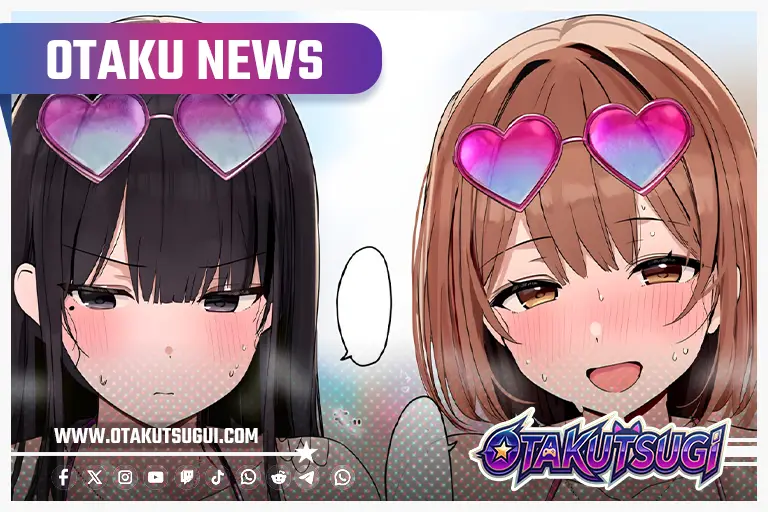
The H doujinshi and digital art community has found itself caught up in another heated debate, and this time, the spotlight is on Rouka, an artist known for the doujinshi series Onii-san… Ohitori desu ka?
Some fans have accused Rouka of using AI image generation tools in recent illustrations. However, the artist has publicly denied these allegations, stating that the artwork is entirely hand-drawn.
And before the internet’s unofficial art detectives start handing out verdicts, there’s one important detail to keep in mind: these are allegations, not proven facts.
Rouka has also expressed how deeply the controversy has affected him, revealing that some of the messages he received crossed the line from criticism into outright harassment.
What began as a debate about art and artificial intelligence has now raised a bigger question: how far should online communities go when they suspect an artist of using AI?

🎨 Rouka Denies Using AI in His Artwork
In a public statement, Rouka addressed the suspicions circulating online and firmly denied using AI image generation as part of his creative process.
The artist stated that all of his work is drawn by hand and explained that seeing his efforts questioned in such a hostile environment has been deeply upsetting.
According to Rouka, some of the messages he received were particularly aggressive. Among them were comments expressing extreme hostility toward anyone suspected of using AI.
After spending years developing his artistic skills, being accused of relying on a technology he says he does not use has clearly taken an emotional toll.
Rouka also apologized for creating illustrations that had raised suspicions, although this should not be interpreted as an admission of wrongdoing.
He made it clear that he does not intend to keep debating the issue publicly or provide endless explanations.
And honestly, the internet can turn a single drawing into a full courtroom drama before the artist has even finished their coffee. 🫠
🧐 Why Are Some Fans Accusing Rouka of Using AI?
Users questioning Rouka’s artwork have pointed to several details in recent illustrations that they consider suspicious.
Their arguments reportedly include visual comparisons, specific elements within compositions, and similarities they believe deserve closer examination.
One particular comparison has attracted attention because it involves the pose and composition of an illustration by Rouka and an earlier work by another artist, NIHAO.
Some users have argued that the similarities between the two images raise questions about Rouka’s creative process.
However, there is an important distinction between noticing a resemblance and proving that AI was involved.
Two illustrations looking similar does not automatically establish that one was generated using artificial intelligence.
Artists regularly work with references, photographs, familiar poses, established visual conventions, and inspiration from other creators. Similarities can raise questions, but they do not independently establish how an image was made.
To reach a reliable conclusion, the available evidence needs to be examined carefully and in context.
🕵️ Some of the Alleged Evidence Is No Longer Available
Another complication is that some comments, posts, and examples reportedly used during the controversy have since been deleted.
As a result, part of the material originally circulated as evidence may no longer be available for independent review.
And this is where online controversies can become particularly difficult to untangle.
A screenshot gets shared hundreds of times, the original post disappears, and suddenly everyone is arguing about a piece of internet history that nobody can fully reconstruct.
It’s practically digital archaeology, except the excavation tools are reposts, quote posts, and increasingly confusing comment sections. 😅
That is why it is important to distinguish between an allegation, a visual interpretation, a comparison between artworks, and verifiable evidence of AI use.
They are not interchangeable.

✍️ Rouka Has Been Working as an Artist Since 2017
Another detail worth considering is Rouka’s artistic background.
The artist has reportedly been drawing professionally since 2017, well before today’s generative AI image tools became widely popular.
This does not automatically prove how any particular recent illustration was created. A long artistic career is not, by itself, a guarantee that AI was never used.
Nevertheless, it provides useful context about Rouka’s history as an artist and shows that his work predates the current AI art boom.
Despite this background, some users continue to question specific details in his more recent illustrations.
For now, the controversy remains unresolved, and the available information does not justify treating the accusations as established fact.
🎥 Rouka Plans to Share More of His Drawing Process
One of the most notable parts of Rouka’s statement is his intention to record videos showing his drawing process whenever possible.
These videos could offer additional insight into how certain illustrations are created and provide interested viewers with more context about his workflow.
However, Rouka also explained that some works cannot be shown because of rights-related restrictions.
It is an understandable complication: not every piece of artwork can necessarily be shared publicly from beginning to end.
Still, showing parts of a creative process could help clarify questions surrounding individual illustrations.
Apparently, being an artist online increasingly means drawing the artwork, finishing the project, and then preparing a behind-the-scenes documentary for the internet’s investigation department. 🎬
💜 The Most Concerning Part of the Controversy: Harassment
Beyond the debate over AI, one aspect of this story deserves particular attention.
Rouka stated that some of the messages he received were deeply hurtful. He also explained that the accusations had left him emotionally exhausted.
As a result, he announced that he would scale back his activities and focus on previously scheduled announcements, releases, and projects.
This does not necessarily mean he is permanently leaving the industry. It means he has indicated an intention to reduce his public activity for the time being.
The distinction matters.
Online communities can criticize artwork, question creative decisions, and debate the use of AI. They can also choose which artists they want to support.
But criticism and personal harassment are two very different things.
Behind every illustration is a person who may see the comments, feel the pressure, and ultimately decide that stepping away is the best option.
No debate about digital art should require an artist to endure personal attacks.
🤖 AI Art and the Anime Community: A Debate Far From Over
Rouka’s situation reflects a much broader discussion affecting anime illustration, manga, doujinshi, digital art, and the wider otaku community.
Generative AI has rapidly changed how images can be produced, and it has also changed how people evaluate the artwork they encounter online.
Some artists openly use AI tools. Others reject them entirely. There are also more complicated workflows involving different forms of digital editing and assistance.
The challenge comes when suspicion quickly turns into certainty.
A strange detail, an unusual hand, a familiar pose, or a similar composition can trigger speculation. But identifying the actual process behind an image often requires more than visual guesswork.
There is a meaningful difference between saying, “This looks like AI,” and claiming, “This artist used AI.”
The first expresses an impression. The second makes a factual allegation that requires supporting evidence.
If credible evidence exists, it should be examined. If there are doubts, they should be presented as doubts. And if the evidence is inconclusive, the verdict should remain open.
That principle matters regardless of whether an artist creates anime illustrations, manga, gaming artwork, or H doujinshi.
👀 What Happened After Rouka’s Statement?
January 7 has been cited as the date of Rouka’s latest public statement regarding the controversy. Since then, there reportedly have been no further public updates from the artist about the issue.
His absence from the discussion has raised concerns among some people who follow his work.
However, there is no reliable basis here to draw conclusions about his personal circumstances or speculate about why he has remained quiet.
What we do know is that Rouka previously expressed feeling exhausted by the situation and announced plans to reduce his activities.
Sometimes, silence simply means that someone does not want to keep participating in a public argument.
And perhaps that boundary deserves to be respected.
🌟 The Bigger Question for Artists and Fans
The controversy surrounding Rouka highlights a challenge that will likely continue affecting the anime and digital art communities as AI technology develops.
How can fans question potentially suspicious artwork without unfairly accusing creators?
How much evidence should be required before an artist is publicly accused of using AI?
And how can communities encourage transparency without turning every discussion into a personal attack?
These questions do not have simple answers, but one principle should remain clear: accountability and harassment are not the same thing.
Rouka has publicly denied using AI in his artwork and indicated that he may share videos of his drawing process when possible. The allegations remain disputed, and the information available does not establish that he used AI.
For now, the most responsible approach is to avoid presenting speculation as fact and to hope that the artist is doing well.
We would also like to thank Tenebrous for bringing this story to our attention.
💬 What Do You Think?
Do you believe visual similarities are enough to raise serious questions about an artist’s work, or should stronger evidence be required before making public accusations of AI use?
The debate over AI art, anime illustration, and digital artists is far from over, and conversations like this show why approaching it thoughtfully matters.
💜 A Little Reminder About Who We Are
OTAKUTSUGI is a Mexican media outlet dedicated to anime, manga, video games, VTubers, cosplay, Japanese culture, and the entire geek and otaku universe. We cover the stories making noise in Japan and across the internet, alongside reviews, events, creators, projects, and everything that deserves a place in our Otaku Zone.
We love talking about the things that excite us, surprise us, and occasionally send the entire fandom into detective mode. ✨
Available in Spanish 🇲🇽 and English 🇺🇸.


